
Domestic Insurance
Flexible cover for all vehicle types
Sedans, utes, trailers, transit vehicles, trucks, caravans and mobile machinery — we tailor cover to the vehicle you actually run.
Key features of our motor insurance
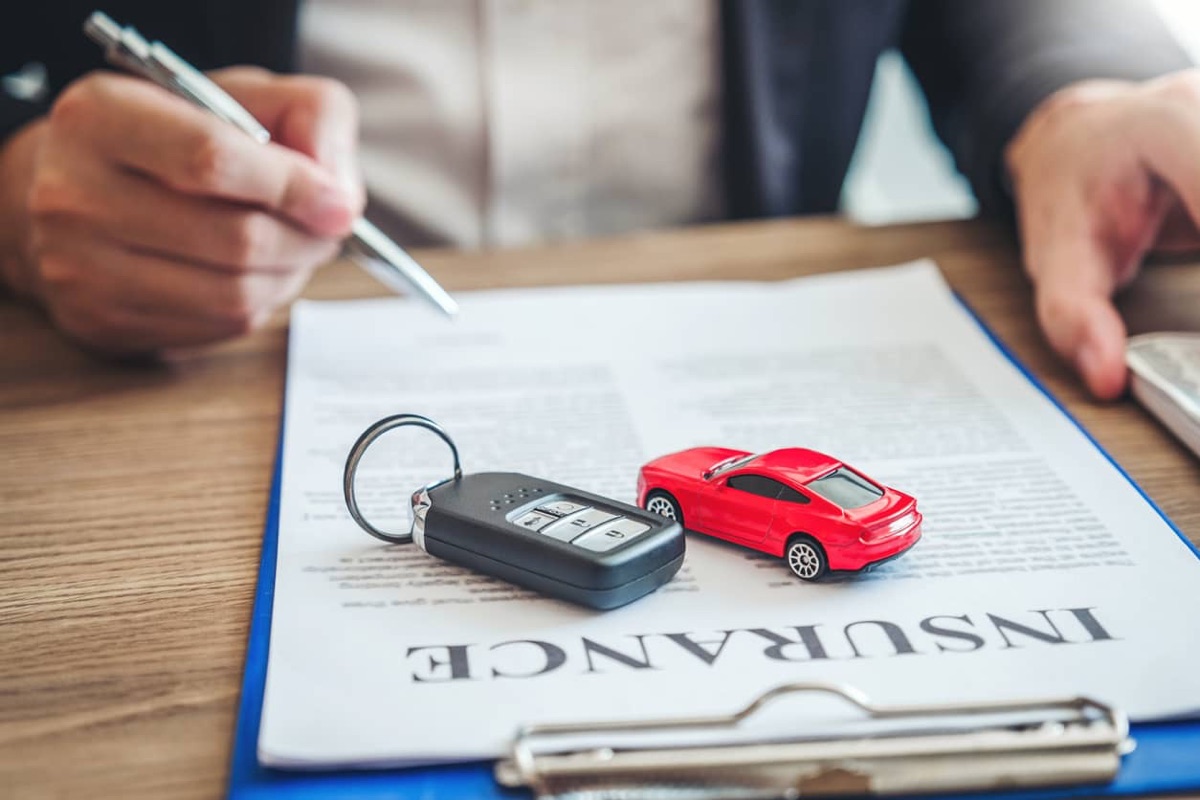
Three levels of cover — choose what fits
We also offer risk and claims management for businesses running vehicles.
- Comprehensive — The most complete cover — theft, fire and damage to other people's property, plus damage to your own vehicle.
- Third-party, fire & theft — Covers damage you cause to other people's vehicles and property, plus fire damage and theft of your own vehicle.
- Third-party only — The minimum cover — covers damage you cause to other people's vehicles and property, but not your own vehicle.
From our clients
“Our dealings with KeyInsure have always been very friendly and helpful, also very quick response and professional advice. Pretty sure they save us money on our insurances also. Thank you.”
 Keylend
Who needs this cover
Compulsory third party cover, which comes with registration, responds to injury to people. Everything else — damage to your car, damage you cause to other people’s property, theft — is up to you.
- Anyone financing a vehicle, where the lender requires comprehensive cover
- Owners of newer or higher-value vehicles
- Households with several cars
- Drivers who use their car for work or deliveries
- Owners of caravans, trailers and motorcycles
- Young or newly licensed drivers
What affects your premium
Motor premiums are priced on the car, the driver and how it is used.
Vehicle make, model and value
Repair costs, theft rates and performance all feed into the rating.
Driver age and history
Younger and less experienced drivers, and drivers with claims or offences, are rated higher.
Where it is kept
Postcode and whether the car is garaged overnight.
Use
Private, business or ride-share use are rated differently.
Excess
Choosing a higher excess usually lowers the premium; a lower excess raises it.
Agreed or market value
Insuring for an agreed value usually costs more than market value.
Common questions
What is the difference between agreed value and market value?
Agreed value fixes the payout at the start of the policy. Market value pays what the car was worth just before the loss. Agreed value gives certainty; market value is usually cheaper.
Is my car covered for business use?
Only if it is declared. If you drive for work, carry goods or do deliveries, tell us so the policy reflects it.
What is a nominated driver excess?
An additional excess that applies when a driver under a certain age, or a driver not listed on the policy, is behind the wheel.
Do I need comprehensive cover on an older car?
It depends on what it would cost you to replace the car. For lower-value vehicles, third party property damage may be enough, but you would carry the cost of your own repairs.
Related cover
Ready when you are
General advice only. Consider the relevant PDS & TMD before acquiring any product.