
Commercial Insurance
One policy for every vehicle you run
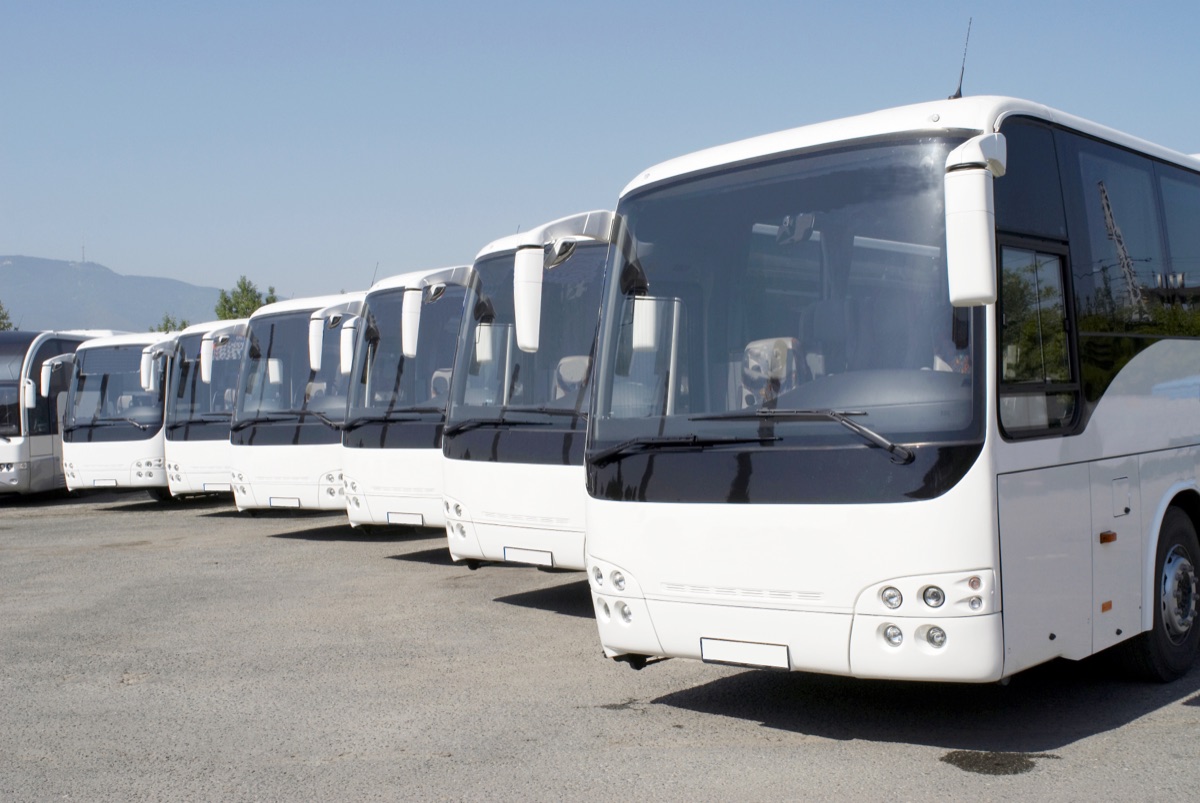
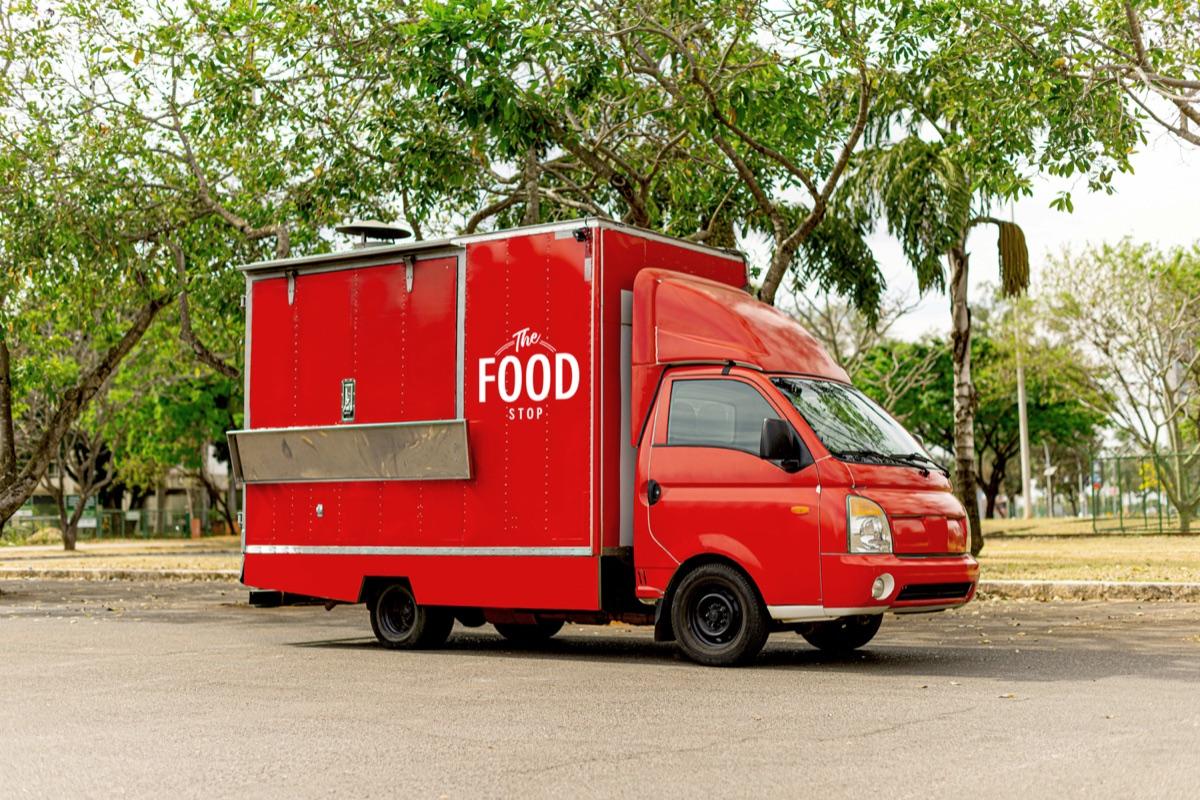
If you run two or more vehicles, fleet insurance replaces a stack of individual policies with a single one — covering cars, utes, delivery vans, food trucks and coaches under the same renewal date.
Three levels of cover
Commercial fleet insurance comes in three levels. Which one fits depends on the age and value of your vehicles, and on how much of a loss your business could absorb itself.
Third-party only saves money up front. The question worth asking is whether your business could fund repairs or replacements out of its own pocket if the loss were yours.
Why insure the fleet as one
- One renewal instead of many — Keeping track of dozens or even hundreds of individual policies takes real administrative time. A fleet policy gives you one document and one renewal date.
- Usually cheaper than separate policies — Many business owners find that covering a fleet costs less than insuring each vehicle on its own.
- Compliance handled — Operating a fleet carries legal obligations. Arranging the cover through a broker means someone is keeping an eye on the cover your fleet needs to stay compliant.
From our clients
“Our dealings with KeyInsure have always been very friendly and helpful, also very quick response and professional advice. Pretty sure they save us money on our insurances also. Thank you.”
 Keylend
Who needs this cover
Fleet insurance is for businesses that run several vehicles and want them insured together, under one policy and one renewal date.
- Trades and service businesses with multiple utes and vans
- Delivery, courier and logistics operators
- Sales teams and businesses with pool cars
- Councils, schools and community organisations with buses
- Hire and rental operators
- Businesses with a mix of cars, trucks and machinery
What affects your premium
A fleet is rated as a whole, so the profile of the vehicles and the drivers matters more than any single car.
Number and type of vehicles
Cars, utes, vans, trucks and plant are each rated differently, and the mix sets the base premium.
Vehicle values
Higher-value vehicles cost more to repair and replace.
Driver profile
The age and experience of the people who drive, and whether drivers are named or any licensed driver.
Use and radius
Local deliveries are rated differently from interstate haulage or carrying passengers.
Claims history
Past claims — yours and, in some cases, the industry’s — affect what insurers offer.
Fleet management
Driver policies, telematics and maintenance records can all help at renewal.
Common questions
How many vehicles make a fleet?
Insurers set their own thresholds, and some will write a fleet policy from a small number of vehicles. Below that, individual commercial motor policies may be the better fit.
Can I add and remove vehicles during the year?
Yes. Fleet policies are designed for vehicles to be added and removed as the business changes, with the premium adjusted accordingly.
Are my drivers covered if they use the vehicle personally?
It depends on the policy and how the vehicle is declared. Tell us how the vehicles are actually used so the cover matches.
Does fleet insurance include the goods being carried?
Not usually. Goods in transit is a separate cover. If you carry customers’ goods or your own stock, ask us to include it.
Related cover
Ready when you are
General advice only. Consider the relevant PDS & TMD before acquiring any product.